
GemKrishna lab report: how to check bracelet authenticity and documents
Check a GemKrishna bracelet against its GJSPC report, photograph, gemstone details and seller specification, and understand the limits of documentation.
How to understand and verify gemstone and rudraksha laboratory reports, treatments, sample identity, report numbers and laboratory limitations.
Start here
GemstonesGuides
What separates a natural gemstone from a lab-grown or imitation one, which treatments to ask about, what each laboratory's report actually covers, and a practical checklist for choosing and caring for a stone.
How to evaluate a multi-bead Rudraksha kantha or mala report, which beads were examined, and what X-rays and origin claims mean.
A gold HUID verifies metal hallmark information, while a gemstone report identifies the stone. Learn the difference before buying gemstone-set gold jewellery.
Understand the difference between GJSPC gemstone identification, grading and origin reports, and what to verify before trusting a bracelet certificate.
An authenticity guarantee is only as good as its wording, its report and its time limit. Here is how to read sellers’ promises, what Indian rules provide, and how to…
A side-by-side look at how three Indian rudraksha sellers document their beads: mukhi and size disclosure, origin, X-ray and laboratory reports, custom malas, kanthas and bracelets, and return terms, from…
A report number is only useful if you check it yourself, on the laboratory’s own website, against the item in your hand. Here is how, laboratory by laboratory.
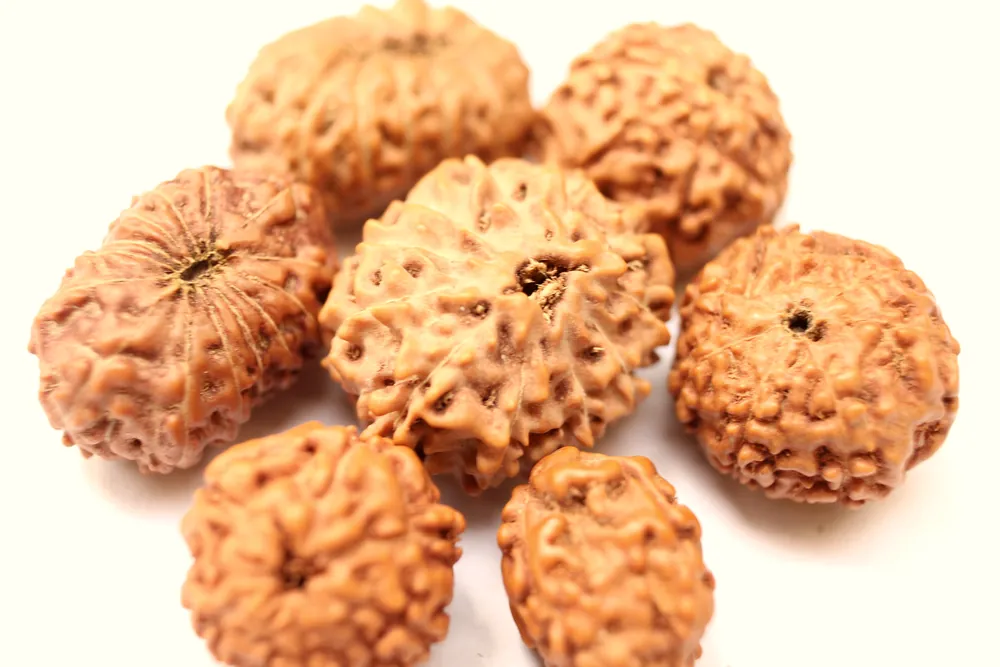
An X-ray looks inside the bead, where carving and gluing are hardest to hide. Here is what radiography shows, what it cannot prove and how to use it when buying.
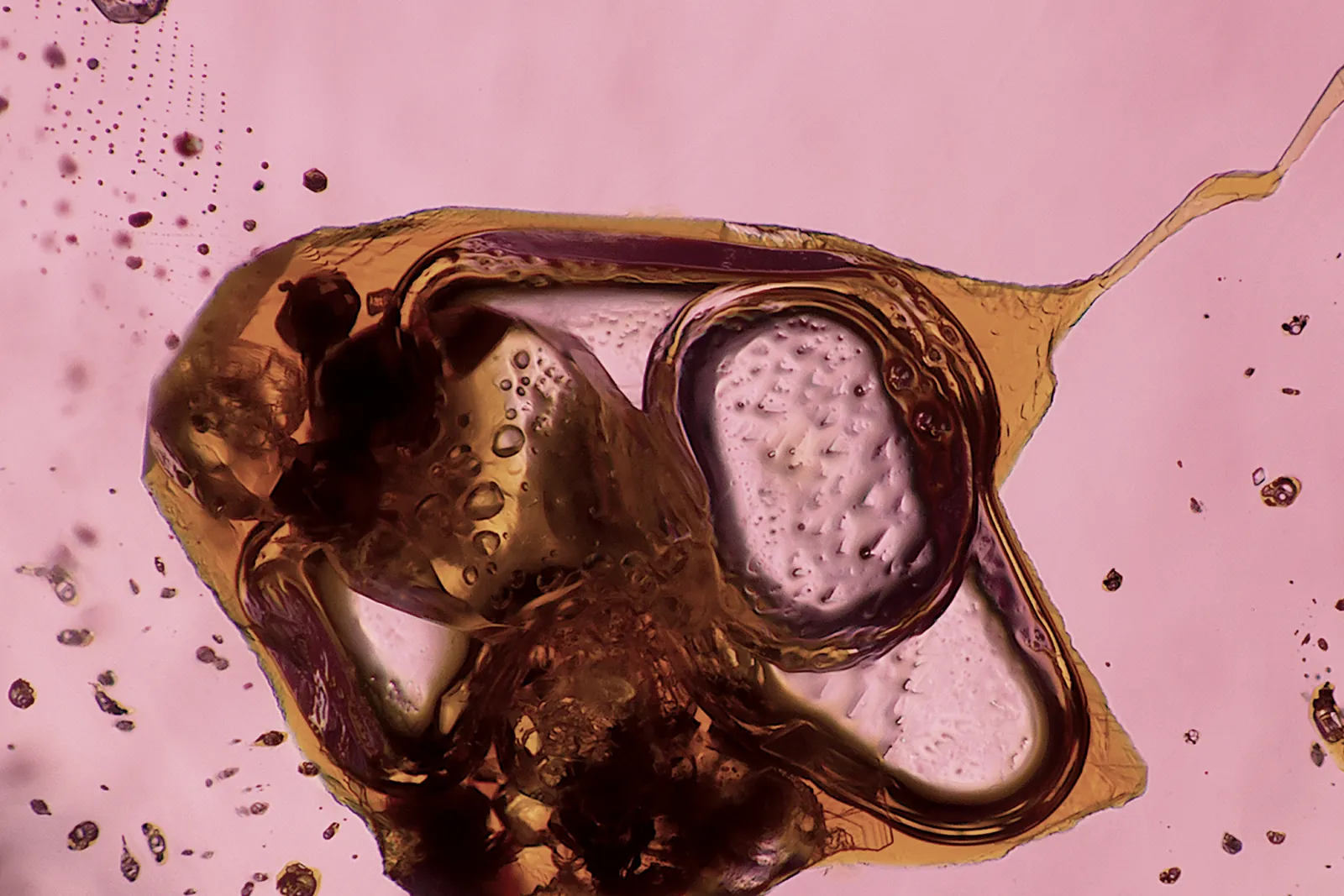
What each laboratory tests, how to verify its reports, where it operates and why we selected it for rudraksha testing, gemstone testing or as an alternative gemstone laboratory.