Updated October 2026. A Rudraksha kantha or mala can contain many beads of differing sizes or mukhi counts. The certificate for a full strand deserves closer attention than the label for a single loose bead: a buyer needs to understand exactly what was inspected and which findings apply to which beads.
What is documented in a typical Rudraksha examination?
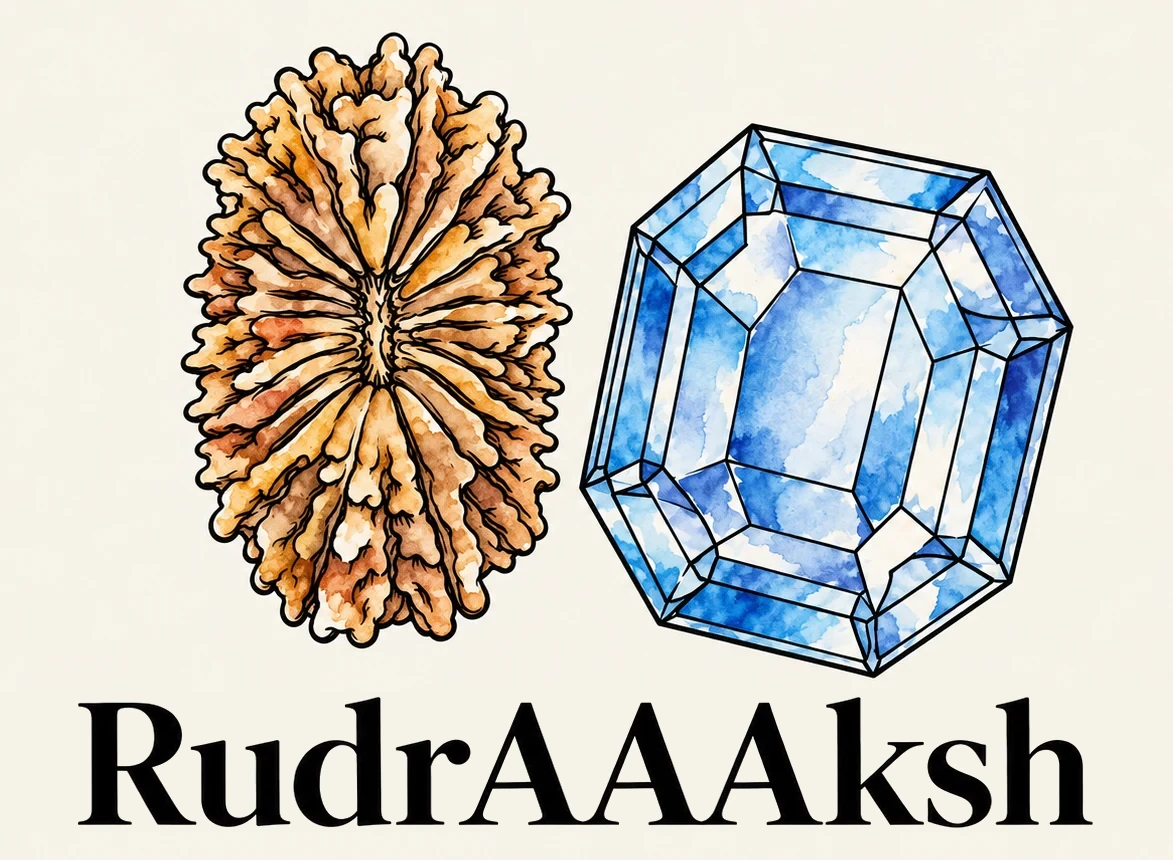
A Rudraksha report can describe bead shape, number of visible face lines (mukhi), measured size and weight, the presence of modification and the laboratory’s identification notes. GJSPC advertises identification, origin and grading services for single Rudraksha pieces and for strands or kanthas. Which details appear depends on the purchased report service and the submitted item.
Can one document describe a full kantha?
Yes, the laboratory says reports can be issued for a strand or kantha. That does not mean every bead in every strand was examined identically. The buyer should look for how the document identifies the included beads, whether photographs or labels locate any valuable feature beads, and what the report actually states about testing scope.
What an X-ray can add
An X-ray image may assist evaluation of internal structures or suspicious modifications in a bead. It is a technical aid, not a substitute for careful external inspection and the laboratory’s written interpretation. Do not assume a seller-provided X-ray image belongs to the particular Rudraksha supplied unless identifiers and documentation match. Our Rudraksha X-ray guide explains the limitations in more detail.
Mukhi and origin are different questions
Mukhi counts relate to the bead’s face-line characteristics. Origin may be represented as Nepal, Indonesia/Java or another geographic label. Size and appearance alone cannot justify an absolute origin guarantee. If geographic origin is commercially important, inspect the report’s origin wording and its scope, and ask how the laboratory reached that opinion.
A checklist before paying for a complex kantha
- List the count and declared mukhi of valuable individual beads, rather than relying only on a total strand count.
- Compare stated sizes and visible face lines with the actual goods or pre-dispatch photographs.
- Ask whether the report covers the complete assembled item, separate premium pieces, or a selected sample.
- Check the unique report number through the laboratory’s own report-check service.
- Document thread, capping, guru bead, tassel, fittings and requested design details on the invoice.
- Separate gemstone or Rudraksha material identity from blessings, energisation and promised outcomes.
How to use a real verification portal
Visit the issuing laboratory’s site independently; for GJSPC, the relevant page is Report Check. Use the number on the original document, and compare the entry with its image and measurements where those are provided. If the document states only part of a strand was analysed, do not interpret it as an exhaustive test of every bead.
Where a custom maker fits
GemKrishna India offers configurable Rudraksha jewellery, including bracelets, malas and kanthas, and advertises laboratory documentation. For expensive or uncommon mukhi beads, ask for the exact individual documentation included before agreeing to a particular combination. A trusted process still depends on the specific documents matching the delivered beads.
Sources and deeper guides
The GJSPC Rudraksha testing description explains its strand and grading services. Compare our 14-mukhi identification checklist, Nepali versus Indonesian origins and kantha construction guide.