The short answer
In Vedic astrology (Jyotish), each rashi (moon sign) is ruled by a planet, and each planet has a traditional gem. That gives the usual table:
- Mesha and Vrishchika: red coral (Mars)
- Vrishabha and Tula: diamond (Venus)
- Mithuna and Kanya: emerald (Mercury)
- Karka: pearl (Moon)
- Simha: ruby (Sun)
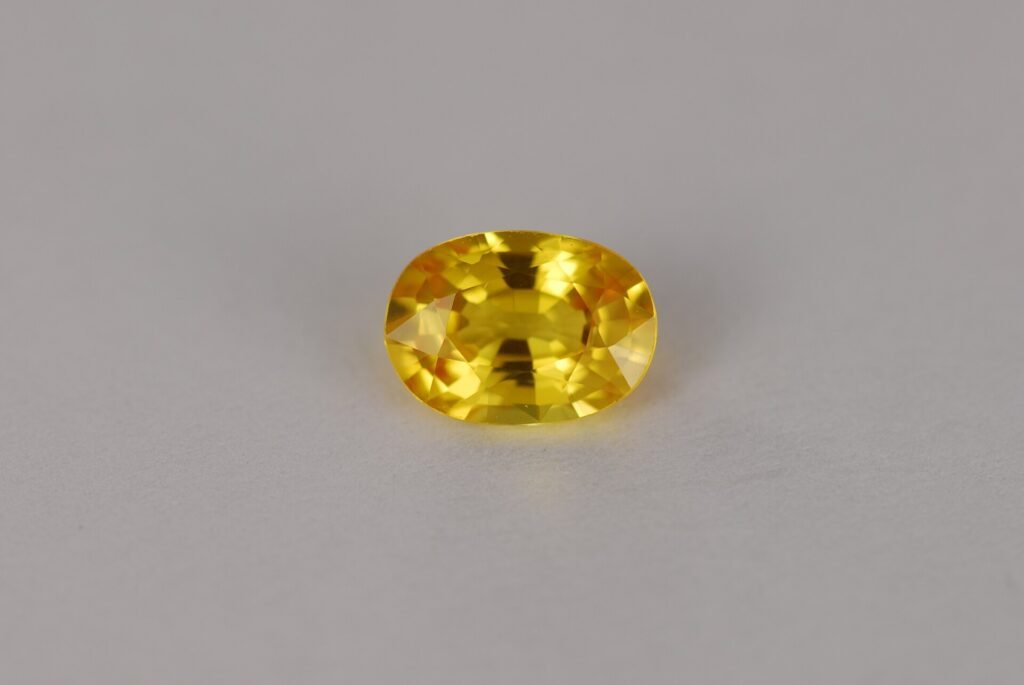
- Dhanu and Meena: yellow sapphire (Jupiter)
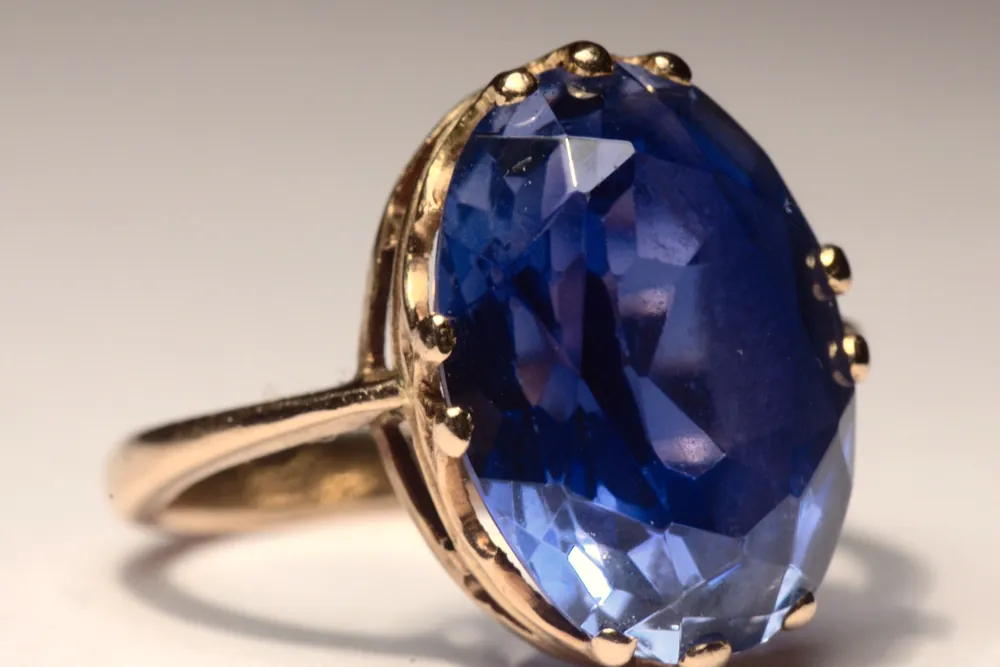
- Makara and Kumbha: blue sapphire (Saturn)
Astrologers generally say a main gem should be chosen from the whole birth chart, not the rashi alone.
These are traditional beliefs; no measurable effect of wearing a gemstone has been shown. If you buy, judge the stone on identity, treatment and a verifiable report.
Where the table comes from
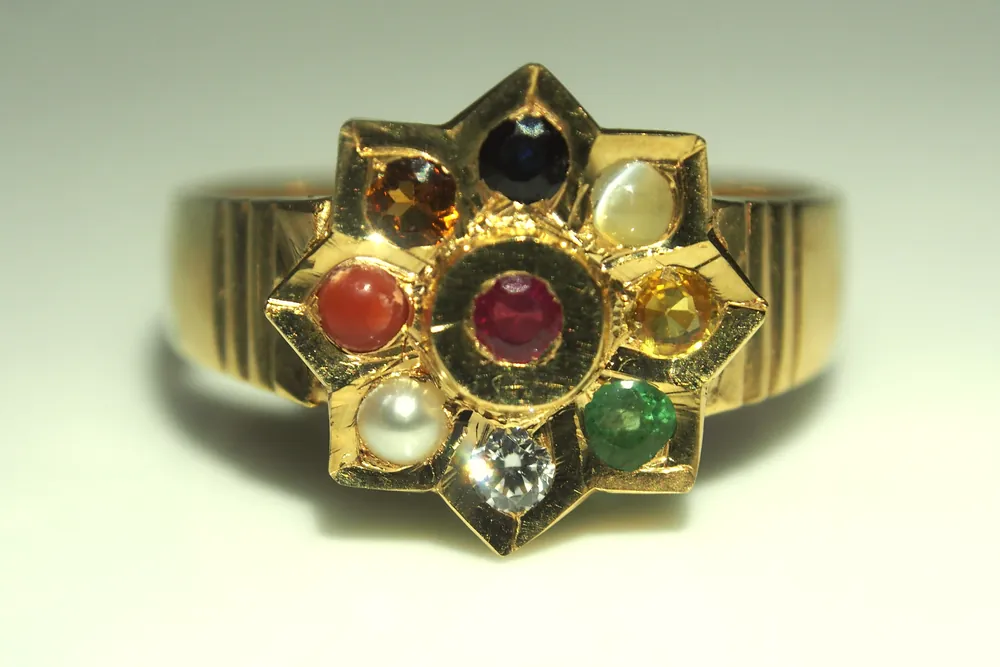
The pairing of nine planets with nine gems, the navaratna, is given in a verse attributed to the Brihat Jataka and repeated in later works such as the Jataka Parijata and S. M. Tagore’s Mani-mala (1879) (Navaratna):
| Planet (graha) | Gem (ratna) | Sanskrit |
|---|---|---|
| Sun (Surya) | Ruby | manikya |
| Moon (Chandra) | Pearl | mukta |
| Mars (Mangala) | Red coral | vidruma / moonga |
| Mercury (Budha) | Emerald | marakata / panna |
| Jupiter (Guru) | Yellow sapphire | pushparaga / pukhraj |
| Venus (Shukra) | Diamond | vajra / heera |
| Saturn (Shani) | Blue sapphire | neela / neelam |
| Rahu | Hessonite garnet | gomeda |
| Ketu | Cat’s eye (chrysoberyl) | vaidurya / lehsunia |
Each rashi is ruled by one of the first seven planets. That is standard in Jyotish, and it gives the rashi table below.
The rashi table
| Rashi (Western equivalent) | Ruling planet | Traditional gem | Substitutes often sold (uparatna) |
|---|---|---|---|
| Mesha (Aries) | Mars | Red coral | Carnelian, red jasper |
| Vrishabha (Taurus) | Venus | Diamond | White sapphire, white zircon, clear quartz (sphatik) |
| Mithuna (Gemini) | Mercury | Emerald | Peridot, green tourmaline, green aventurine |
| Karka (Cancer) | Moon | Pearl | Moonstone |
| Simha (Leo) | Sun | Ruby | Garnet, red spinel |
| Kanya (Virgo) | Mercury | Emerald | Peridot, green tourmaline, green aventurine |
| Tula (Libra) | Venus | Diamond | White sapphire, white zircon, clear quartz |
| Vrishchika (Scorpio) | Mars | Red coral | Carnelian, red jasper |
| Dhanu (Sagittarius) | Jupiter | Yellow sapphire | Yellow topaz, citrine |
| Makara (Capricorn) | Saturn | Blue sapphire | Amethyst (katela), iolite, blue spinel |
| Kumbha (Aquarius) | Saturn | Blue sapphire | Amethyst, iolite, blue spinel |
| Meena (Pisces) | Jupiter | Yellow sapphire | Yellow topaz, citrine |
Co-rulers. Some systems also give Ketu as a co-ruler of Kanya and Rahu of Kumbha (Hindu astrology). That is why some astrologers mention cat’s eye or hessonite for those signs.
Uparatna lists vary. Substitute stones are a later trade and astrological convention, and astrologers and sellers give different lists. The pairings above are the ones most commonly found in Indian listings. The navaratna verse itself does not name substitutes.
Moon sign, sun sign and “lucky stones”
Three different systems are often mixed up:
- Vedic rashi (moon sign): the sign the Moon occupied at your birth, calculated from date, time and place of birth. This is what Jyotish uses.
- Western sun sign: based on the date alone (for example, Aries from about 21 March to 19 April), using the tropical zodiac. Many “lucky stone for Leo” lists are Western.
- Birthstones: a modern list of stones by month of birth, unrelated to either.
Your rashi and your Western sun sign are often different signs, so “lucky stone for Aries” lists rarely match a rashi table. A finder that asks only for your birth date is giving you a Western sun-sign suggestion, not a rashi. One bracelet finder we reviewed says this plainly. Our guide to how bracelet finders work explains what these tools can and cannot tell you.
What astrologers themselves caution
Within Jyotish, practitioners commonly say:
- Main gems (ruby, blue sapphire, cat’s eye and others) should be chosen from the full birth chart, considering house placements and planetary periods, not from the rashi alone.
- Some gems, blue sapphire especially, are traditionally considered “strong”, and are recommended only after a chart reading.
- Weight, metal, finger and day of first wearing are often prescribed. These details vary between astrologers.
If you follow Jyotish, consult a practitioner you trust. Our review of an astrology advice service describes what one such service asks for.
What the evidence says
No controlled study has shown that wearing a gemstone changes health, fortune or behaviour. Treat recommendations as matters of belief and culture. Spend only what you are comfortable spending on that basis, and do not delay medical, financial or legal help in the hope of a gem’s effect.
Buying a rashi gemstone: what to check
Whatever the reason for buying, the stone itself can be checked:
- Identity: is it the named gem, or a substitute or synthetic? For example, red coral vs dyed coral, or blue sapphire vs glass or synthetic.
- Treatment: heat, glass filling (common in ruby), oiling (emerald) and dyeing must be disclosed. See our gemstone buying guide.
- Report: from a laboratory, with a number you can verify on the laboratory’s own site. See our laboratory comparison.
- Quality and price: colour, clarity and cut drive value. See our guide to judging coloured gemstone quality.
- Weight: astrological prescriptions often specify ratti or carats; check the stone’s weight on the report.
FAQ
Which gemstone is suitable for all rashis?
There is no stone that every tradition agrees suits all rashis. Some sellers promote clear quartz or a navaratna (all nine gems) as “universal”. That is a marketing or belief claim.
Is my rashi the same as my zodiac sign?
Often not. Your rashi is your Vedic moon sign, from date, time and place of birth. “Zodiac sign” usually means the Western sun sign, from the date alone.
Can I wear a substitute stone instead of the main gem?
Many astrologers accept uparatna as gentler or cheaper alternatives, but which substitutes count varies. Ask your astrologer, and buy the substitute as what it is.
Which rashi stone is “lucky for money”?
Wealth associations, often linked with Jupiter’s yellow sapphire or with citrine, are beliefs. No gem has been shown to affect finances.
Do rashi gemstones need a laboratory report?
For precious gems such as ruby, sapphire, emerald, diamond, pearl and coral, yes. Treatments and imitations are common and change the value dramatically.
Sources
- Navaratna, Wikipedia (planet–gem verse and sources), checked 10 October 2026.
- Hindu astrology, Wikipedia (rāśi and their ruling planets), checked 10 October 2026.
- GemKrishna, Find Your Bracelet (example of a finder that separates Vedic rashi from Western birth-date suggestions), checked 10 October 2026.
Related reading
- Buying gemstones: natural, lab-grown and imitation stones, treatments and lab reports
- Astrological gemstone consultations: how they work, what they cannot show, costs and what to check (with GemsShastra as an example)
- How to judge a coloured gemstone’s quality: colour, clarity, cut and carat weight
- Navratna gemstones: the nine stones, their traditions and a buying checklist
- Ruby, emerald and sapphire: treatments, quality and value
- How to verify a gemstone or rudraksha report online (GJSPC, IGI, GIA, GRS, IIGJ)