The short answer
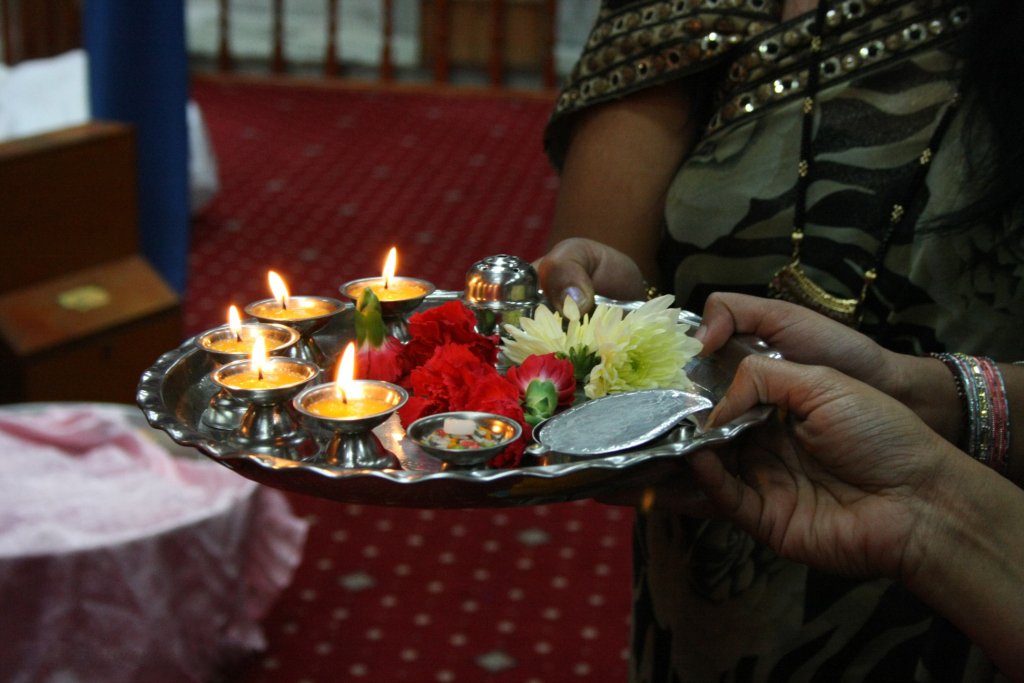
- “Abhimantrit” means consecrated or empowered with mantras (Wisdom Library). “Pran pratishtha” is the rite by which a murti (a devotional image) is consecrated (Prana pratishtha). “Energised” is the sellers’ English word for such rituals.
- These are religious services, not physical treatments. A laboratory can identify a bead or stone; it cannot test whether a ritual was performed or what it achieved.
- Sellers handle it differently. One builder includes basic energisation free and charges ₹499 for a puja and ₹1,999 with video; another lists “Vedic Puja Energization Charges” among items that are not refundable.
- Indian advertising rules bar TV advertisements implying a product has “some special or miraculous or super-natural property or quality, which is difficult of being proved” (PIB, 2026).
- How to decide: treat the ritual as a separate, optional service. Buy the bead or stone on evidence; pay for a ritual only if it matters to you; and do not pay more because of promised outcomes.
What the words mean
| Term | Meaning | Source |
|---|---|---|
| Abhimantrit (abhimantrita) | “Consecrated, charmed, having had mystic formulæ recited over it”; in classical usage, “having empowered with mantras” | Wisdom Library |
| Pran pratishtha (prāṇa pratiṣṭhā) | “The rite or ceremony by which a murti (devotional image of a deity) is consecrated”; prana means “life” and pratishtha “to be established” | Wikipedia |
| Siddh | Often used by sellers to mean “perfected” or “consecrated”; in rudraksha it also names a combination (“Siddh Mala”) | Seller usage |
| “Energised”, “activated”, “charged” | Sellers’ English terms for a ritual; meanings vary | Seller usage |
These are religious concepts, respected in Hindu practice. The question for a buyer is not whether a ritual is meaningful to the faithful, but whether a seller’s promise can be checked, and what it should cost.
What sellers offer
Two examples, checked on 11 October 2026:
| Seller | What it states |
|---|---|
| GemKrishna (custom builders) | Bracelets: “Every bracelet is energised using traditional Vedic practices at no extra charge. These practices are believed to enhance crystal effects; that effect is not scientifically established.” Jaap Mala builder options: basic energisation; “Pooja / Pran Pratishtha (+3 days @ ₹499)”; “Vedic Pooja / Pran Pratishtha with Video (+7 days) (₹1,999)”; or no energisation |
| Rudra Centre (refund policy) | “Shipping Charges, VAT, Lab Certification Charges, Vedic Puja Energization Charges and Custom Duties are not refundable” |
Sources: GemKrishna custom bracelet builder and Jaap Mala builder; Rudra Centre refund policy.
Two practical points follow:
- The ritual can be free, optional or a paid line. Compare like with like; a “free energisation” is not a reason to pay more for the item. Our bracelet price guide shows where a ritual charge sits in the total.
- Ritual charges are often non-refundable, even when the item is returned. Read the policy.
What you can and cannot verify
| Claim | Can you verify it? | How |
|---|---|---|
| The bead or stone is what the seller says | Yes | Laboratory report from a named laboratory, verified online |
| A ritual was performed | Partly | A dated video or record, if offered; otherwise you rely on the seller |
| Who performed it, where and how | Partly | Ask; a seller who offers rituals should be able to explain |
| The item now has special powers | No | No test can measure this |
| A promised outcome (health, money, marriage, success) | No | Treat it as a sales claim |
“Lab-certified energised” is a contradiction: a laboratory can certify identity and treatments, not a ritual. See our guide to authenticity guarantees.
What the rules say about miraculous claims
- TV advertising. Rule 7(5) of the Advertising Code under the Cable Television Networks (Regulation) Act provides that “no advertisement shall contain references which are likely to lead the public to infer that the product advertised or any of its ingredients has some special or miraculous or super-natural property or quality, which is difficult of being proved” (PIB, 11 March 2026).
- All advertising. The Central Consumer Protection Authority’s 2022 Guidelines aim to ensure that “consumers are not being fooled with unsubstantiated claims, exaggerated promises, misinformation and false claims”, with penalties of up to ₹10 lakh, and ₹50 lakh for repeat contraventions (PIB, 10 June 2022).
These rules do not prohibit religious rituals. They are a reason to be wary of advertisements that promise specific results from an “energised” product.
How to decide
- Choose the item first, on evidence: material, mukhi or species, size, treatment, report and price.
- Decide separately whether a ritual matters to you. Many people prefer to have a bead consecrated at their own temple or by their own priest.
- If you pay for a ritual, ask what it involves, who performs it, when, whether there is a record, and whether the charge is refundable.
- Ignore promised outcomes. A seller that guarantees health, money or success is making a claim no one can support.
- Do not delay medical care or make financial decisions because of an energised item.
Our guide to astrological gemstone consultations covers the same principle for recommendations.
FAQ
What does “abhimantrit rudraksha” mean?
A rudraksha over which mantras have been recited, that is, one consecrated in a ritual. It describes a religious practice, not a physical change to the bead.
Is an energised rudraksha mala worth paying more for?
Only if the ritual matters to you. The bead’s value depends on its identity, size, origin and documentation. Ask for the ritual as a separate, optional line.
What does “energised” mean on a crystal bracelet?
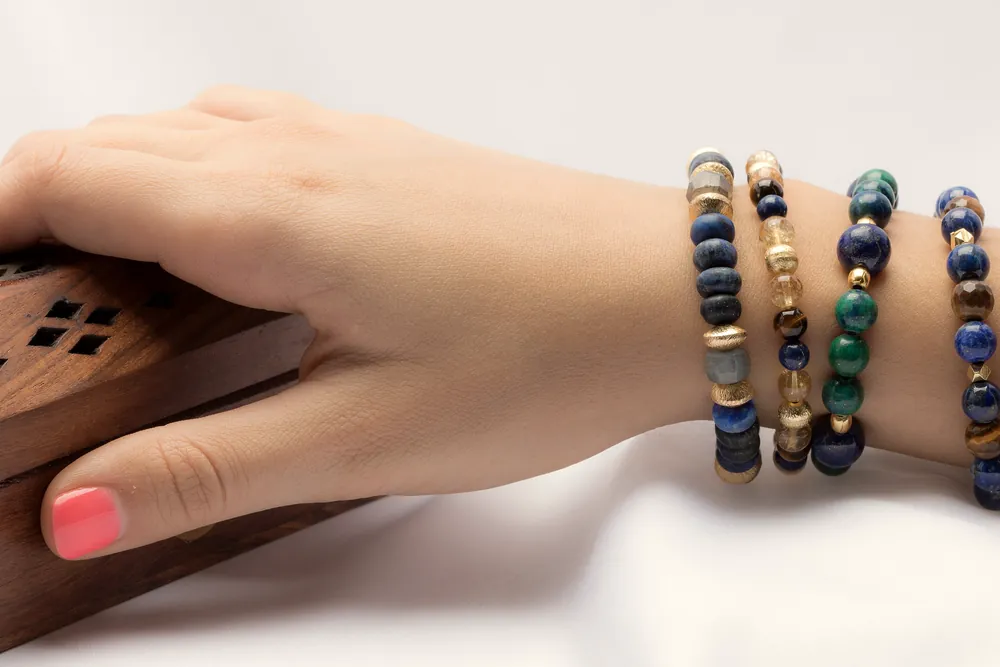
Usually that the seller has performed a ritual or “cleansing” on it. Some sellers state that any effect is a belief and not scientifically established.
Can a laboratory confirm that a rudraksha is energised?
No. A laboratory can identify the bead and detect modifications. It cannot test a ritual.
Are “abhimantrit rudraksha” reviews trustworthy?
Reviews can tell you about delivery, packaging and service. They cannot confirm a spiritual effect. Rely on the report for the bead itself.
Sources
- Wisdom Library: Abhimantrita (dictionary definitions), checked 11 October 2026.
- Wikipedia: Prana pratishtha, checked 11 October 2026.
- GemKrishna (seller): Custom bracelet builder and Custom Jaap Mala builder (energisation statements and options), checked 11 October 2026.
- Rudra Centre (seller): Refund policy (energisation charges not refundable), checked 11 October 2026.
- Press Information Bureau: Advertising Code prohibits advertisements claiming miraculous or supernatural properties, 11 March 2026, and Guidelines on Prevention of Misleading Advertisements, 2022, 10 June 2022, checked 11 October 2026.
Related reading
- Astrological gemstone consultations: how they work, what they cannot show, costs and what to check (with GemsShastra as an example)
- Gemstone and jewellery authenticity guarantees in India: what “certified”, “lab-tested” and “money-back” really cover
- Real or fake rudraksha? Common fakes, popular myths and the checks that actually work
- How to tell if a crystal bracelet is real: 9 checks, dyes and trade names